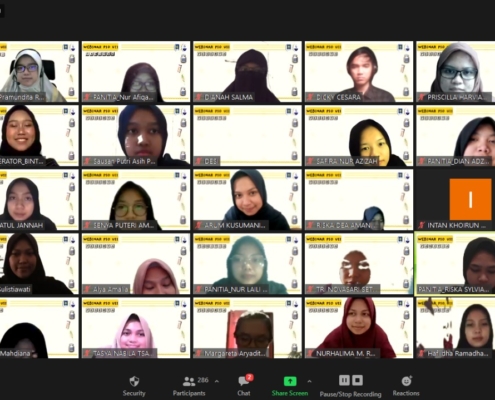
Pusat Informasi Obat (PIO) yang merupakan salah satu Pusat Studi di bawah Jurusan Farmasi Fakultas MIPA UII menyelenggarakan Webinar Kesehatan pada sabtu (28/11) secara daring melalui aplikasi Zoom Meeting. Narasumber yang dihadirkan pada acara tersebut adalah salah satu Dosen Jurusan Farmasi FMIPA UII, ibu Dr. apt. Arba Pramundita Ramadani, M.Sc. Acara webinar dimulai pukul 09.00 WIB dengan diikuti oleh sekitar 280 peserta dari seluruh Indonesia.

Masa pandemi Covid-19 belum berakhir, bahkan menurut data dari situs website resmi nasioanl (www.covid19.go.id), jumlah korban semakin meningkat dari hari ke hari. Hingga tanggal 29 November 2020 lalu, warga yang terkonfirmasi positif Covid 19 di Indonesia mencapai 543 ribu jiwa, telah meningkat 13% dari hari sebelumnya. Dalam situasi seperti ini, selain memikirkan tentang bagaimana mengedukasi masyarakat untuk selalu mematuhi protokol kesehatan, para ahli tentu juga memikirkan upaya pencegahanya yakni dengan merancang pembuatan vaksin.

Seperti yang telah kita ketahui bahwa Indonesia sedang mengembangkan pembuatan vaksin Covid 19. Berita ini tentu menimbulkan pro kontra di masyarakat kita. Pasalnya, sebagian masyarakat meragukan keamanannya karena pengujian yang singkat. Oleh karena itu, webinar kesehatan ini bertemakan “Kupas Tuntas Pro dan Kontra Vaksin Covid-19 di Indonesia” dengan tujuan untuk memberikan tambahan wawasan tentang vaksin kepada peserta serta menumbuhkan idealisme dalam menanggapi isu vaksin Covid 19 yang tengah beredar di Indonesia. Para peserta sangat antusias dan webinar diakhiri dengan foto bersama serta pembagian doorprize oleh panitia.


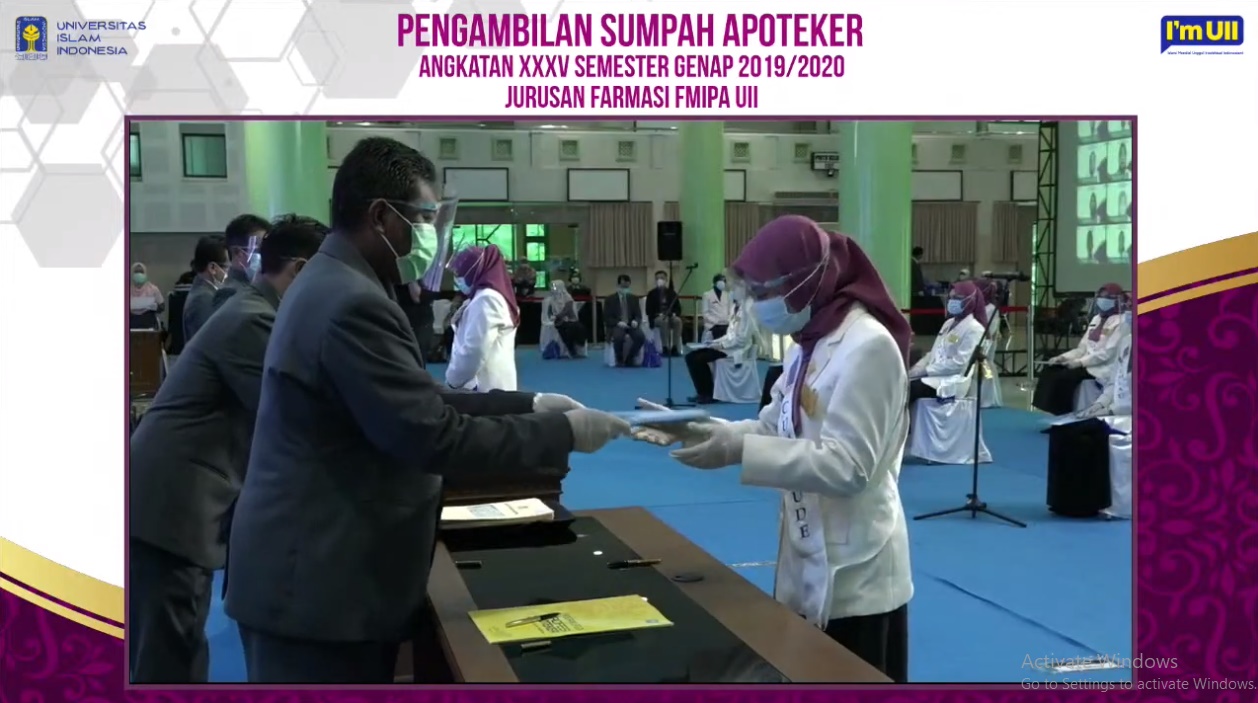
Sebanyak 82 mahasiswa Profesi Apoteker diambil sumpahnya pada Selasa, Rabiul Awal 1442 H / 10 November 2020. Pengambilan sumpah kali ini sangat berbeda dari biasanya, dimana pelaksanaannya dilakukan secara daring dan luring. Mahasiswa yang diambil sumpahnya secara luring hanya perwakilan berjumlah 15 orang dan sisanya mengikuti secara daring. Dr. apt. Farida Hayati, M.Si. selaku Ketua Program Studi Profesi Apoteker menyampaikan saat rapat koordinasi panitia bahwa ini merupakan yang pertama kalinya dilakukan di UII karena sebelumnya di awal pandemi masih diperkenankan melakukan secara luring. Namun demikian kegiatan tetap dilaksanakan menggunakan protokol kesehatan.

“Mekanisme pengambilan sumpah ini adalah yang pertama di UII dimana dilaksanakan secara daring maupun luring. Dan berbeda dengan sebelumnya yang sepenuhnya luring namun waktu itu juga sudah tidak dengan para orang tua mahasiswa maupun tamu undangan lainya.”, ungkapnya.

Daring dan Luring

Prosesi pengambilan sumpah kali ini memang terlihat sangat berbeda. Selain peserta yang mengikuti secara daring, Dewan penyumpah yang biasanya berasal dari Komite Farmasi Nasional kali ini didelegasikan kepada Dekan Fakultas Matematika dan Ilmu Pengetahuan Alam (FMIPA) UII. Prof. Riyanto, M.Si., Ph.D. membacakan lafal sumpah kemudian diikuti oleh seluruh calon Apoteker Baru baik yang hadir secara luring maupun daring, disaksikan oleh Dewan Penyumpah dan Rohaniawan. Setelah melafalkan sumpah Apoteker, dilanjutkan dengan penandatanganan surat sumpah sekaligus penyerahan ijazah kepada Apoteker Baru yang hadir secara luring.

Acara yang disiarkan melalui kanal youtube FMIPA UII langsung dari auditorium Abdul Kahar Muzakkir ini juga dihadiri oleh Prof. Fathul Wahid, ST., M.Sc., Ph.D., selaku Rektor UII. Pada sambutan Rektor, dirinya menyampaikan bahwa pandemi yang terjadi saat ini selain menjadi musibah juga tidak dipungkiri membawa berkah untuk sebagian kalangan. Disampakannya juga bahwa tenaga medis saat ini merupakan profesi yang paling dibutuhkan di tengah masyarakat dan Apoteker merupakan salah satunya. Maka dari itu ia pun berpesan agar paran Apoteker Baru tidak perlu bersedih dan tetap optimis untuk segera menunjukan kiprah yang telah dinantikan oleh masyarakat. Tak lupa pula dirinya juga berpesan agar menjaga nama baik UII. “Jagalah nama baik UII dan yang paling mudah adalah dengan cara menjaga nama baik diri kalian sendiri.”, pesannya.

Dalam rangkaian acara ini juga dilakukan pemberian penghargaan berupa pin emas kepada apt. Adnan Muhammad Uno J. Hidayat, S.Farm dan apt. Kristi Tri Wardani, S.Farm. Keduanya merupakan lulusan terbaik berpredikat Suma Cumlaude dengan perolehan IPK kelulusan 4.0. Selain itu keduanya juga mendapatkan penghargaan CDC Award dari salah satu perusahaan farmasi nasional, PT. Catur Dakwah Crane Farmasi. Acara berlangsung khitmad dari pukul 06.00 hingga pukul 09.00 pagi Waktu Indonesia Barat. (Lindung)

A limitation of the study on favipiravir was that it was not performed in a randomized double-blinded placebo-controlled clinical trial, allowing an inevitable selection bias in patient recruitment. However, given the high number of concurrent patients and the very high infectivity of disease, it was ethically impossible to condition patients to receive different experimental drugs using a randomization process that most patients would not be able to understand. It should be pointed out that the duration of favipiravir treatment in this clinical trial was twice as long as that used for influenza treatment. However, side effects in the experimental group were rare and well tolerated, and none of the patients needed to stop favipiravir treatment. These results seem to suggest that the duration of favipiravir treatment can be extended if necessary.

A recent study by Gao and colleagues using more than 100 patients showed that chloroquine phosphate had a better effect than controls on inhibiting pneumonia exacerbation and viral growth and shortening the course of the disease. However, this should be considered carefully as insufficient data are not available to support this result. The final interpretation therefore expects that in the absence of published data it is difficult to reach definite conclusions. It will be very important to know whether the observed efficacy is specifically related to chloroquine or hydroxychloroquine in their salt (phosphate or sulfate) form. Furthermore, it is also important to determine whether the benefits of chloroquine therapy depend on age classification or disease stage.

However, to get a complete clinical trial, it is not enough to just use the test on the patient, but you must get complete information regarding the side effects that are caused by the use of this drug. This phase is known as phase IV clinical trials (post marketing surveillance).

Potential therapeutic strategies against COVID-19

Initially, nebulized interferon-α, broad-spectrum antibiotics, and anti-viral drugs could be used to reduce viral load in the body, however, only remdesivir has shown a promising effect on viruses. Remdesivir alone and in combination with chloroquine or interferon beta were significantly able to inhibit SARS-CoV-2 replication so that patients were declared clinically cured. Other antiviral agents currently being evaluated against infection include Nafamostat, Nitazoxanide, Ribavirin, Penciclovir, Favipiravir, Ritonavir, AAK1, Baricitinib, and Arbidol showing satisfactory results when tested against infection in patients and in-vitro clinical isolates.

Recently in Shanghai, doctors isolated blood plasma from COVID-19 patients who had recovered clinically and injected it into infected patients. The results are positive with a fast recovery. In a recent study, it was identified that a monoclonal antibody (CR3022) is able to bind to the receptor binding site of SARS-CoV-2. CR3022 has the potential to be developed as a therapeutic candidate, either alone or in combination with other neutralizing antibodies for the prevention and treatment of COVID-19 infection.

Author: Dr. apt. Yandi Syukri, S.Si, M.Si. (Pharmacy Lecturer and Researcher at the Nanopharmacy Research Center, Department of Pharmacy, Islamic University of Indonesia)

Source:

[1]          Y. Duan, H.-L. Zhu, C. Zhou, Drug Discov. Today 2020.

[2]          A. Cortegiani, G. Ingoglia, M. Ippolito, A. Giarratano, S. Einav, J. Crit. Care 2020.

[3]          F. Touret, X. de Lamballerie, Antiviral Res. 2020, 177, 104762.

[4]          M. Adnan Shereen, S. Khan, A. Kazmi, N. Bashir, R. Siddique, J. Adv. Res. 2020.

[5]          Q. Cai, M. Yang, D. Liu, J. Chen, D. Shu, J. Xia, X. Liao, Y. Gu, Q. Cai, Y. Yang, C. Shen, X. Li, L. Peng, D. Huang, J. Zhang, S. Zhang, F. Wang, J. Liu, L. Chen, S. Chen, Z. Wang, Z. Zhang, R. Cao, W. Zhong, Y. Liu, L. Liu, Engineering 2020.

[6]          K. Shiraki, T. Daikoku, Pharmacol. Ther. 2020, 107512.

[7]          C. A. Devaux, J.-M. Rolain, P. Colson, D. Raoult, Int. J. Antimicrob. Agents 2020, 105938.
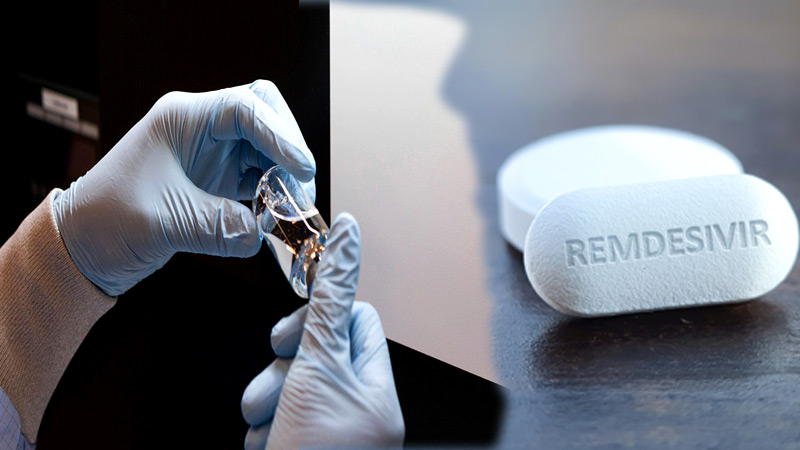
Remdesivir, which was thought to be a potential drug for COVID19, did not have a significant effect compared to placebo. Based on the journal published by The Lancet (1), states that the results of the first test on 237 patients did not show a significant effect between patients who were given remdesivir and patients who received drugs without active ingredients (placebo). In this clinical trial, 158 patients treated with remdesivir resulted in 14% of deaths, compared with placebo which resulted in nearly 13% of deaths. In addition, 11.6% of patients discontinued therapy due to drug side effects, compared with 5% in the control group. In fact, 102 patients reported experiencing drug side effects compared with 50 patients treated with placebo. This certainly surprises many parties because Remdesivir (GS-5734) which is a product of monophosphoramidate is known as a broad-spectrum antiviral for the treatment of viral infections of the filovirus, paramyxovirus, pneumovirus, and coronavirus class infections.

In vitro test results show that remdesivir is able to inhibit all coronaviruses in humans and animals, including the SARS-CoV-2 virus that causes COVID19. Remdesivir is a potential inhibitor of SARS-CoV-2 virus replication in nasal and bronchial epithelial cells. Even in in vivo trials in monkeys infected with SARS-CoV-2, the initial administration of remdesivir showed significant clinical and antiviral effects, characterized by decreased lung fluid and viral titer counts from the results of examination of fluids in the bronchi and alveoli (1). . However, it turns out that human test results are different. This is what many people need to realize that drugs that produce significant effects in preclinical tests (animal or cell tests) do not necessarily produce the same effect if they are given directly to humans. At the same time, it provides an illustration that drugs that are officially circulating in the market actually go through long, expensive and tiring stages to be officially released as drugs with claims to “cure” or “cure” certain diseases. This is because drugs that will be released on the market must pass the following test stages:

Preclinical testing.

This test is performed for a drug “candidate” to obtain information about the pharmacological effect, pharmacokinetic profile and toxicity of the “candidate” drug. Preclinical tests are divided into 2 types, namely invitro and in vivo tests. An in vitro test is a “candidate” drug test outside the body of a living being. This test is performed on bacterial cultures, isolated cells or isolated organs. If the result is positive, then proceed with the in vivo test, namely testing on living things (animals) (2). Animals used are animals whose genetics are known or known by certain strains of mice, rats, rabbits, guinea pigs, pigs, dogs or primates. Through this test, it will be possible to predict the effects of drug use in humans, especially related to the toxic effects produced. Toxicity research is a potential way to evaluate the side effects of drugs due to short- and long-term consumption, genetic defects or mutations (genotoxicity or mutagenicity), cancer cell growth (carcinogenicity) and fetal defects (teratogenicity). Apart from toxicity, animal testing is also carried out to study the fate of drugs in the body (pharmacokinetics) “candidate” drugs which include absorption, distribution, metabolism and elimination of drugs. All test results on these animals are used as evaluation materials to determine whether the “candidate” drug can be continued with human trials or not (3). The compound or molecule “candidate” for the drug that passes the preclinical test is called an IND (Investigational New Drug) or a new drug in further research to be tested in humans (clinical trials).

Clinic test.

Clinical trials are studies conducted on new drugs that aim to evaluate their impact on human health. Clinical trials are rigorously designed, conducted and evaluated to ensure the safety of test subjects. This test can only be carried out after passing the proper test by the ethics committee in accordance with the Declaration of Helsinki. The clinical trial consists of 4 phases, namely:

  1. Phase 0, this phase is a preliminary phase carried out on healthy volunteers. This phase is a prelude to the actual phase. This phase involves administering the drug at a very small dose that has no therapeutic effect to determine whether the properties observed in experimental animals are also seen in humans (4).
  2. Phase I, This phase is the real testing phase. This phase focuses on the safety aspects of the new drug. This phase is carried out on healthy volunteers in small numbers ranging from 20-100 people (5) to observe the most frequent and most dangerous side effects of new drugs and to observe the pharmacokinetic profile of the drug in humans (4).
  3. Phase II, This phase is focused on observing the effectiveness of a new drug. The new drug is tested on patients with certain conditions / diseases, then the effect it has on the disease being treated is observed. What is expected from the drug is that it has a potential effect with low or non-toxic side effects. Testing in this phase the group of patients treated with new drugs will usually be compared with the group of patients treated with other drugs or drugs without active ingredients (placebo) (4). This phase also evaluates the safety and short-term side effects and begins to develop and test the stability of drug dosage forms (3).
  4. Phase III. This phase is a phase that focuses on observing the safety and effectiveness of a new drug in different populations, at different doses and using new drugs in combination with other drugs by involving large groups of patients. This phase assesses the variability of the effectiveness of the drug in different populations. After passing through this phase III clinical trial, many new drugs are generally rejected or unfit for use. Until the end, maybe only 1 in 10,000 new drugs passed to the market because they have advantages in terms of efficacy and safety as well as side effects and less risks than existing drugs. The decision to approve new drugs for market is made by specialized agencies, such as the Food and Drug Administration in Indonesia, the FDA (Food and Drug Administration) in the United States, MHRA (Medicine and Healthcare Product Regulatory Agency) in the UK, EMEA (European Agency for the Evaluation of Medicinal Product) in other European countries and TGA (Therapeutics Good Administration) in Australia. Furthermore, new drugs that pass phase III clinical trials are allowed to be produced and marketed under certain trade names by the pharmaceutical industry as legal drugs and can be prescribed by doctors (3).
  5. Phase IV. This phase is actually not a real test, but a post marketing study (post marketing surveillance) after the drug is approved for market. This phase examines the use of drugs in patients with various conditions, various ages and races in order to further evaluate the level of safety, efficacy and optimal conditions of use (6). After the results of the phase IV study were evaluated it was still possible to withdraw the drug from the trade if it was dangerous for example dextroxypropoxifene, a painkiller that has even been used for 40 years, was withdrawn from the trade due to the death effects of overdose (7), lepirudin, an anticoagulant drug, was withdrawn from the European market because of side effects. severe anaphylaxis (8) and most recently ranitidine withdrawal from the market due to NMDA contamination which can cause cancer.

Because the conditions are so strict that it is not easy for a drug molecule to circulate as a drug. This is true in European countries, the United States and other developed countries. The period of discovery of a new drug from the very beginning of the discovery of a new chemical molecule until it becomes a new drug that is allowed to circulate takes less than 5 – 10 years and the total research cost currently reaches USD 2,870 million (IDR 45,920 trillion) (9).

Such is the long adventure of a chemical molecule before the drug is released to the public. With increasing costs and a long research period, it is not surprising that the price of drugs, especially drugs that are still patent protected, is very expensive. This is of course for the good of humanity itself, to ensure that the drugs consumed are safe, efficacious and have a clear identity.

Note:

Despite the unsatisfactory phase 2 clinical trial results, Gilead Sciences.Inc is continuing to conduct phase III clinical trials for remdesivir with the SIMPLE model in countries with a high prevalence of COVID19. The study evaluated the efficacy and safety of administering remdesivir for 5 and 10 days for severe COVID19 patients with a 200 mg regimen on the first day and 100 mg the following day with a total number of patients reaching 5600 people spread across 180 testing sites around the world, including the United States, China. , France, Germany, Hong Kong, Italy, Japan, South Korea, the Netherlands, Singapore, Spain, Sweden, Switzerland, Taiwan and England (10).

Source:

  1. Wang Y, Zhang D, Du G, Du R, Zhao J, Jin Y, et al. Remdesivir in adults with severe COVID-19: a randomised, double-blind, placebo-controlled, multicentre trial. The Lancet. 2020 Apr;S0140673620310229.
  2. Commissioner O of the. Step 2: Preclinical Research. FDA [Internet]. 2019 Apr 18 [cited 2020 May 2]; Available from: https://www.fda.gov/patients/drug-development-process/step-2-preclinical-research
  3. Priyambodo B. Jalan Panjang Penemuan Obat Baru [Internet]. Bambang Priyambodo’s Weblog. 2014 [cited 2020 May 2]. Available from: https://priyambodo1971.wordpress.com/2014/03/27/jalan-panjang-penemuan-obat-baru/
  4. Clinical trials Questions and Answers [Internet]. [cited 2020 May 2]. Available from: https://www.who.int/news-room/q-a-detail/clinical-trials-questions-and-answers
  5. Commissioner O of the. Step 3: Clinical Research. FDA [Internet]. 2019 Apr 18 [cited 2020 May 2]; Available from: https://www.fda.gov/patients/drug-development-process/step-3-clinical-research
  6. Learn About Clinical Studies – ClinicalTrials.gov [Internet]. [cited 2020 May 2]. Available from: https://clinicaltrials.gov/ct2/about-studies/learn#ClinicalTrials
  7. WHO. Alert_123_Dextropropoxyphene.pdf [Internet]. WHO Newsletter. 2009 [cited 2020 May 2]. Available from: https://www.who.int/medicines/publications/drugalerts/Alert_123_Dextropropoxyphene.pdf?ua=1
  8. Petersen PE. World Health Organization. Organisation Mondiale de la Sante. Community Dent Oral Epidemiol. 2003 Dec;31(6):471–471.
  9. DiMasi JA, Grabowski HG, Hansen RW. Innovation in the pharmaceutical industry: New estimates of R&D costs. J Health Econ. 2016 May;47:20–33.
  10. Gilead Announces Results From Phase 3 Trial of Investigational Antiviral Remdesivir in Patients With Severe COVID-19 [Internet]. [cited 2020 May 2]. Available from: https://www.gilead.com/news-and-press/press-room/press-releases/2020/4/gilead-announces-results-from-phase-3-trial-of-investigational-antiviral-remdesivir-in-patients-with-severe-covid-19.

Penulis: apt. Ardi Nugroho, M.Sc. (Desen Jurusan Farmasi, Universias Islam Indonesia)